Task one and six combined
(because task one was to collect the research, and task six was to write about it, here I did both)
Information on the development of art, photography, printing, film and architecture.
The history of photography.
The idea of being able to capture images of things had been around for as long as humans have been around
In ancient times they used to use a device called a 'camera obscura'
This a box, that could be up to room size, with a hole one one side of it. The light will pass through the hole in the wall then hit the wall behind it, making an upside down image. With mirrors it was possible to have a right the way up image and for artists to now make exact copies because they could easily trace what they saw. The earliest mention of one of these devices was of a Chinese philosopher called Mo-Ti in (470 BC to 390 BC) Years after this, artists continued for hundreds of years using camera obcuras to produce art work.
In the 1727 Professor J. Schulze mixed chalk, nitric acid and silver in a flash, and noticed part of it darkening when it was exposed to sunlight, this was the accidental creation of a photo sensative solution.
In the 1880s a guy called Thomas wedge would started to create 'sun pictures' to create these images he'd lay opaque objects onto leather treated with silver nitrate. The sound would develop the image leaving a marking on the leather. Below is an example.
In 1861 Niépce used a camera obscura with photo sensitive paper, his first ever image was accidentally destroyed though. Then in 1836 the first ever permanent image was created.
His photographs were produced on a polished pewter plate, covered with a petroleum derivative called bitumen of Judea, which he then polished in white petroleum. The Bitumen hardened when exposed to light, then the unhardened material could be washed away, and the metal plate polished, leaving a positive image. He then started experimenting with Silver nitrate, which he found darkened when exposed to light.
Here is the first earliest surviving photograph of a scene from nature.
In 1834 Henry Fox Talbot created a permanent image which was a negative, then a positive images using a technique called contact printing, this is where a negative image is placed with a piece of photo paper on it facing down on it, then light is shined onto the pictures and the positive image is trasnfered onto the photo sensative paper. He later patented this mehod in 1841 under the name of calotype.
Then here is the ever photograph of people, it was an image of a busy street, but because the exposure time was over ten minutes the city traffic was not captured in the photograph, the two people only remain in the picture because one of them was polishing the others shoes and they remained stood still for the whole ten minutes.
In 1837 Louis Daguerre found out that he could create images using silver plated copper, coated with silver iodine then developed with warmed mercury.
After lots of experimenting they discovered that exposing the silver first to iodine vapour before exposure to light, and then to mercury fumes after the photograph was taken, that it could form a latent image. Then that bathing the plate in salt fixed the image.
Photography became popular though the demand for portraits.
Here is the oldest known portrait photograph taken
In 1851, a sculpter in London found out that The photo graphic resolution could be increased by spreading on a mixture of collodion (nitrated cotton dissolved in ether and alcohol) He then published his findings but never had a patent put on them.
1855 marked the start of the stereoscopic period. People here started to create 3D images by using two offset images that will be viewed by the eye that in the mind will create a 3D look to the photograph. Here is an example of two offset images that you would view.
There were different ways in which these images could he viewed to make this effect in your head, the first way was through glassed like this.
Other ways for these pictures to be viewed were have the lightsource split the images directionally into the viewer's eyes (With no glasses needed this is known as Autostereoscopy).
Devices like this were quite largely mass produced, you could buy sets of images that were on a reel that you'd sit into the glasses and view the images. Like this.
In 1861 a Scotish physicist called James-Clerk Maxwell demonstrated a in colour photography system using three different coloured filters, red, green and blue over the lens when taking the photograph. He also used a Yellow filter but this wasn't needed, though Thomas Sutton did the actual picture taking in the demonstration. This first colour image was seen by Maxwell as far from perfect because it turned out that his red photographic plate was insensitive and the green was barely too. So the colours didn't work out as well as they wanted them too, but it was a start.
Here was the first permanent colour photograph.
I had a go myself at adding the three different coloured images together in photoshop to see if I could create a correctly coloured image.
Here was the image that I took and took three copies off it.
Here was the image that I took and took three copies off it.
I then went to channel mixer on each one, I then put all of the levels down to 0 except the colour in the photo that I wanted to keep.
Here are the three images.
I then layered them all into the same photograph and screen layered them to create the image below.
In 1971 the process of a 'dry plate' was created it used gelatine and silver brominde on a glass plate. In 1973 Charles Bennet found a way to make the plates more resistant to friction, and then in 1878 Bennet discovered that by heating up the emulsion the sensitivity could be increased. Then in the same year the plates were manufactured comercially. In 1979 George Eastman opened up 'Eastman Dye plate company'
Also in 1977 they finally managed to settle the argument on wether all of a horses hooves leave the ground when they're galloping.
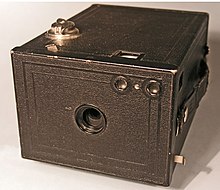
In 1888 Eastman's Kodak camera went into sale, now anyone could take a photograph, and take them to be developed. This contained a twenty foot role of paper, enough for 100 2.5 inch diameter pictures.
Here's a picture of that camera.
Then in 1889 kodak improved the camera using roles of film instead of paper then in 1900 the kodak brownie box film camera was introduced. This camera was very popular as it was very low cost to use it and do photography with it, and it introduced the idea of a snapshot. Which is a image that is just spot spontaneously. It carried the slogan 'You push the button we do the rest' It was very popular for many years due to how inexpensive it was which meant anyone could do photography. It was sold for $1 and film was 15 cents a role.
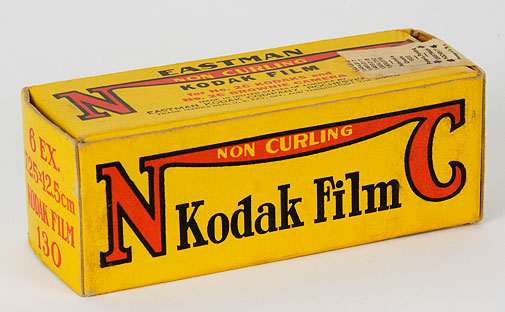
After this Kodak in 1902 found a way of simply processing the film without the use of a darkroom and then in 1903 non curling film was introduced.
In 1907 colour plates hit the market, it was based on screens, being made using dots of potato starch
1917 Nippon Kogaku K.K which we know as Nikon was established.
In 1921 man ray started to make photograms, a photogram is where you place an object onto a photosensitive material and then expose it to light, marks are left from where the object had been placed on the image. Depending on the transparency of the object different effects could be achieved.
1931 marked the development of strobe photography by Harlold Edgerton, they used stobe photography in photographs of models for magazines, many of their photographs appeared in a magazine called 'Life Magazine'. He also used strobe lighting to capture an image of a balloon bursting and a bullet going through an apple. The strobe light while taking the picture captured these images so clearly because of the speed that the strobe lights could flash at. Strobe lighting began to be used loads in model photography now because of what lovely lighting effects you could get with the model and how lovely you could make them look.
In 1934 Fuji Photo film Co was founded, it had the aim of being first Japanese producer of photographic films.
In 1936, the first multi layered colour film was produced development of Exakta, pioneering 35mm single-lens reflex (SLR) camera.
Then During world war II the development of negative layered colour happened.
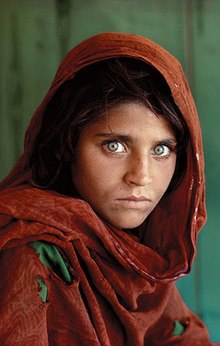
1947 marked the start of the photographer owned- picture agency, it was founded by Henri Cartier-Bresson, Robert Capa, and David Seymour. "Magnum is a community of thought, a shared human quality, a curiosity about what is going on in the world, a respect for what is going on and a desire to transcribe it visually." Magnum was one of the first photographic cooperations to be owned and administered completely by its members. From this the photographers retain fully copyright of their work on the Magnum website. It now has offices all over the world. Magnum has covered some of the biggest events in history and it's photographers have taken some of the most iconic images such as Afghan girl.
In 1948 Hasselband in Sweden offered it's first medium format SLR (Single Lens Reflex camera) for sale and polaroid sells black and white film.
In
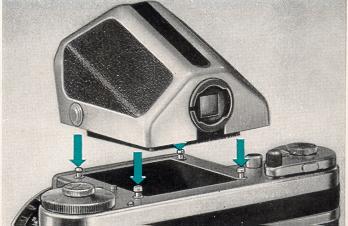
1949 East German Zeiss develops the Contax S, first SLR with an unreversed image in a pentaprism viewfinder. This was the prism shaped view finder on the top of an image, meaning you could look through there to get your shot and you saw the image the right way up.
In 1959 the Nikon F was produced, this was Nikons first SLR camera, and it was one of the most advanced cameras at that time. The things that this camera could do had already been introduced into other cameras, but this camera combined them all together.
In 1963 The first colour polaroid images were produced.
1972 110- format cameras introduced by kodak in these cameras the film did not been to be round and was easy to put into the camera.
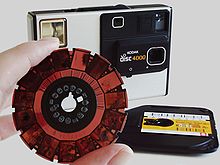
1983 Kodah introduced a disk camera, it used packs of film like in the picture below. Although the disk camera was very easy to load and work, because of its negative only being 11mm / 8mm the final images from this normally appeared grainy resulting in alot of displeased customers.
1985, The worlds first autofocus slr system was made, called 'Maxxum'. With a new thing such as autofocus photographers now didn't have to spend ages focusing on an image when trying to take it, the camera would do this for you by picking up points in the photo and locking focus on them.
In 1986 kodak developed the worlds first mega pixel sensor, and since then millions of different makes of digital cameras have come into production.
1987 The canon EOS (Electrical Optical System) was produced it competed with Nikons F series. This included autofocus too it now meant the lens off the camera was controlled by the body of the camera when using autofocus. The little silver bits on the inside of the lens are the auto focus parts.
In 1990 adobe Photoshop was released. Photoshop was created by a PhD student called Thomas Knoll, at the University of Michigan. He'd began writing a program when his brother sugested that he turned it into a proper editing program. They at first named it Image Pro, then later changed the name of it to Photoshop. Demonstrations of the product were sent to apple and adobe, and adobe purchased a licence to distribute it.
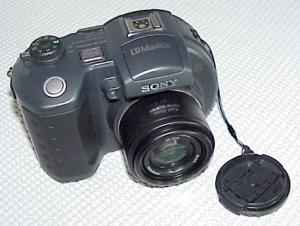
In 1992 Kodak produced a camera in which a cd was in the camera and the images would be saved to it. The disks were designed to hold nearly 100 quality images.
The first photograph was placed on the web by Tim Berners-Lee in 1992 and since then, millions of people use the internet to share and save their pictures on.
In 1993 Photo.net was founded where people could go on and share their images.
2000 Phones in Japan were started to be fitted with camera in them.
In 2001 Polaroid went bankrupt and quite a few other companies announced their discontinuation of their film products.
2004 Kodak stops production of their film cameras.
Since then Nikon, Kodak and Fujifilm and other companies have brought out many amazing digital camera and many different lenses
Here is an example of lots of different Canon lenses.
History of art and a bit on architecture mixed in. For thousands and thousands of years people have created art, from cave paintings in 30,000 b.c to 2500 b.c. with berries to huge sculptures and intricate building designs. The paint that they used has evolved from berries, blood, flower pigments, crushed up rocks with animal fat to oil paints and acrylic paints that we use today, but the purpose of the drawing has nearly always been the same, to capture what they saw at the time, like cave paintings of animals and tribes.
A printing press was created by Bi Sheng in China, around 1051 in China, then in around 1440, it was independently invented in the Holy Roman Empireby the German Johannes Gutenberg, based on existing screw presses. This now meant that books, scripts, writings, paintings and images colour now be reproduced by the masses instead of people having to sit and copy them out.
The art period of Mesopotamian was next, Mesopotamain (3500b.c - 539 b.c) is a greek word meaning 'in the rivers'.
In places where not much rain fell, people would create statues of gods and godises that they would worship. The art was mainly statues and mosaic. Most of the mosaics that we found were of animals like lions. Mesopotamia have been credited for creating the earliest form of writing. Here is a picture of a clay pictogram, since clay was a difficult material to draw into they simplified it into a series of wedge shaped signs that they pressed into the clay, this was called cuneiform.

The next period of art was Egyptian art, (3100 b.c - 30b.c the art in this period focused on what their image of the after life was, and decorating tombs and pyramids. Their art was very symbolic to their beliefs at that time. We have lots of evidence of Egyptian art from exploring tombs. People at this time created art works on something called papyrus, people would use this to create books and do drawings on. At this time architects used different stones such as limestone and granite, and stuff like sun dried bricks to create buildings, builders used to plan their creations so precisely, they had to make sure each piece to the building fit exactly together. Pottery and sculpture was also a big thing around this time, they made huge sculptures of things like sphinxes.
Greek and Hellenistic art (850 b.c - 31 b.c was next. This period of art produced statues that they classed as perfect when seen from every angle. The Venus De Milo was one of the most famous statues from this time, seen below. In the statues that the artists created the artist strived to capture the subjects character in the sculpture. The idea of mosaics was developed at this time The architecture that was created at this time, they built on the space they had, rather than correcting it, building the buildings on the natural landscape. Greek artists were interested in how to show the most beautiful person and showing that through sculpture.

Roman art (500 b.c - a.d 476 was next, the paintings mostly depicted people in a very realistic form, showing scenes of parties and battles. Roman artists were more interested in what they could actually see, instead of editing it like the greeks. The romans believed if you captured a nice image of their face, that when they died their ghost wouldn't haunt you. The Romans saw alot of Greek art, and were inspired by it. Alot of Roman art was Propergander, this was showing what the emperors wanted you to think. With the architecture, artists painted using the techniaque of 'fresco' this was the practise of painting onto fresh wet plaster so that the paint would sink into the plaster and when dry it would give the effect of marble. Here is an example of fresco painted walls.

Indian, Chinese and Japanese art. (653 b.c - a.d 1900) Indian artists liked to portray their gods in their images as visions of perfection. Indian art was often decorated elaborately with lots of different details. Chinese Artists were interested in painting water, animals, trees, they wanted to express the relationship between nature and people. They used alot of swooping brush strokes with their images which made them flow, and painted alot of landscapes. Chinese potters invented porcelain, then they invented paper and began to draw and paint on it. Chinese art was a lot of still life painting. Chinese artists looked greatly into the 'economy of line' this was the idea that by just drawing one line or shape you could see a whole picture. Japanese art was quite similar in the style of Chinese art and was mostly done with a brush and ink. Around the time off all these art periods, Budhism spread to there influencing their art.
Islamic art. (a.d. 476 - a.d 1453) Some of islamics most beautiful pieces of art, were the huge mosques like this.
Islamic art mostly focused on patterns and not really figures, except for a few exceptions obviously. This was because they felt that images created of people were classed as Idolatry, which meant they saw it as a sin of god to create them and view them.
The Byzantine art (a.d. 476 - a.d 1453) style was influenced heavily by Greek art, and was done to glorify god and jesus. The tradition of painting nude figures was banished. They developed the use of gold and silver to create art works and jewellery art. In architecture they achieved things such as the Hagia Sophia, which topped any piece of architecture that was around at the same time, this is it below. Byzantine paintings were painted with no perspective and no shadows and the people were painted usually facing forward with long faces.
The art of the Middle ages, (500 - 1400) includes lots of little sub periods of art such as Romanesque art and gothic art. The middle ages saw the building of the Notre Dame. In the gothic period of the middle ages, stain glass was made, there was a move towards realism, and the development of perspective in paintings. Also people started to paint images of mythological themed scenes.
The early and high renaissance, (1400 - 1550) was seen as the rebirth of ancient traditions in art. Paintings of people became even more life like than the ones done in the middle ages. Renaissance artists studied perception even more than the artists in the middle ages, now in a painting you could tell wether something was close or far away to the subject. Leanardo michelangelo was one of the most popular artists at the time, and was known for his statue of moses which included detail like the veins in his arm.
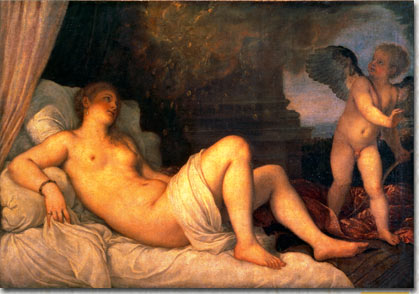
Venetian art, (1430 -1550) n this movement the question was asked wether colour was of high importance in a painting. Alot of asorted pigments were imported into venice at the time so painters used a vast amount of bright colours in their work, then they started to use oil paints which added more subtle colours into a painting, because the practise of fresco could not happen because of the humidity of the air there.
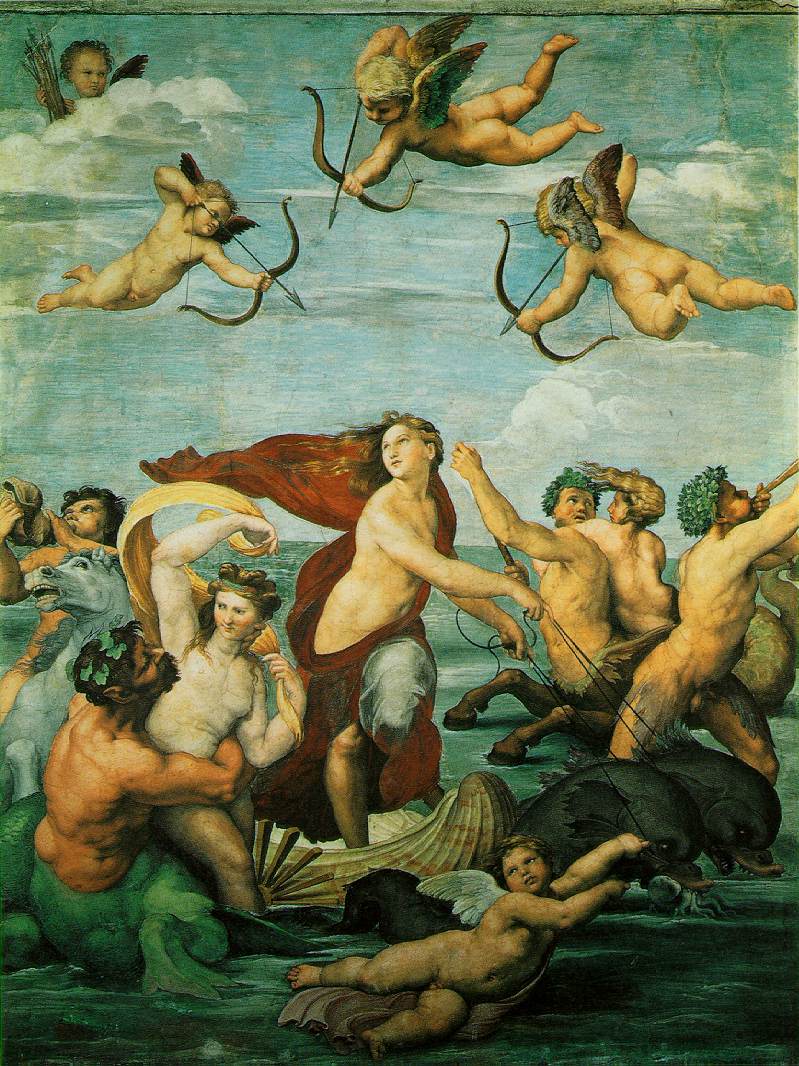
The Mannerism (1527 - 1580) art movement painters painted people in exaggerated poses and unrealistic settings. Some of the most famous mannerism artists were Raphael this is some of his work
Mannerism art was criticised for the fact it was thought to have disrupted the classiness of renaissance art but it did link very well with the next art movement which is Baroque.
Baroque, (1600 - 1750) saw paintings that exaggerated motion to produce drama in the paintings, It had dramatic lighting, intense scenes depicted but did not really depict the life style of the people at the time. But it did depict their passion for their catholic faith and their images glorified the power of the church at the time.
Neoclassical (1750 - 1850) was the next art movement, it's architecture work consisted off symetrical shapes, tall collums and dommed roofs. Neoclassical was influenced by roman and greek art, the art represented political events of the time. This art style usually contained dramatic contrasts between light and dark in the painting, here is an example of a painting from that art period.
Romanticism (1780 - 1850) came next, their artists were fascinated by nature, the movement was about when science was dominating the views of everyone, romanticism was seen as expression art of personal creativity. For the artist the world was seen as an out of control place, in their art you can see the expression of this through the experimentation of brush strokes and bold colours and dramatic scenes of nature and skies, like this one below.
Realism (1848 - 1900) was the next movement in art, in this art period artists wanted their art to be truthful and accurately depict how people looked. The movement discarded traditional ways of painting. Some of the paintings from this period are so accurate to how things actually look, like the paintings of these apples.
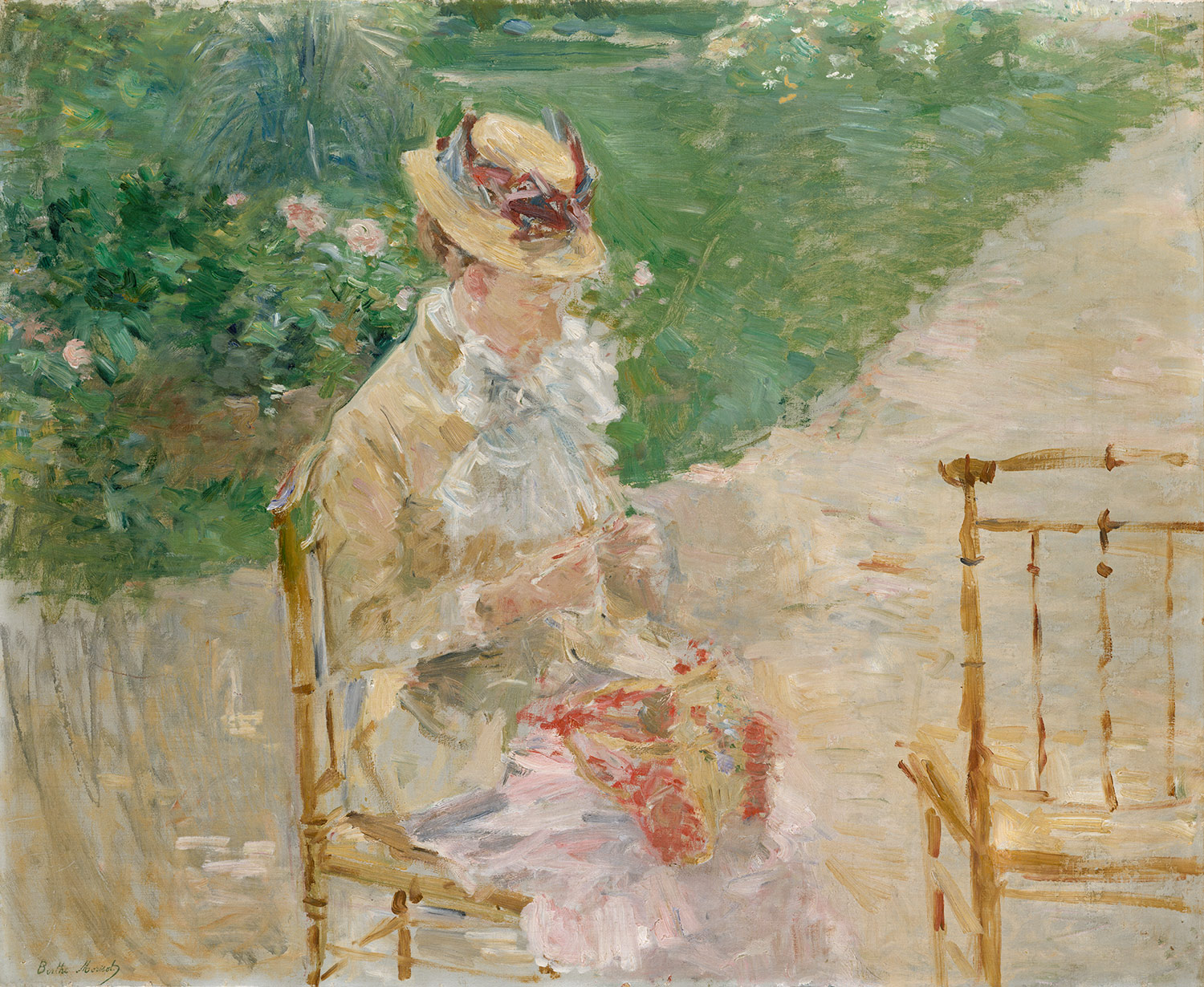
The next movement was Impressionism, (1865 - 1885) characteristics of this style were small thin brush strokes, the artists were fasinated by different lighting in the painting. Instead of just painting things, they made people with loads of different brush strokes, here is an example to explain better. They sort of created the ability for your mind to create the image in your head.
After this art saw Post impressionism, (1885 - 1910) which held the famous artist Van Gogh. It was seen almost unspeakable to call this movement post impressionism because it moved so far away from the movement before it, impressionism. This art showed more of a structure to the image, and form compared to impressionism artists, you can see this in the post impressionism image below.
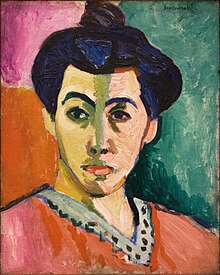
Next was Fauvism and Expressionism. (1900 - 1935) Fauvism art style completely dropped the idea of soft pale colours and now all the images were in bright colourful paints. This was a short art movement but it held famous work from artists such as Henri Matisse. Here is an example of this work.
Expressionism art was the use of vibrent coloures more paintely than the fauvism movment. You can see in this example of a very famous expressionism painting by Van Gogh. Application of paint in this time period was often dramatic, and violent creating strong emotive images.
Cubism, Futurism and Supermativism art (1905- 1920). The cubism art movement showed images that looked like they had been broken up then stuck back together in different places, it showed abstract images of people and objects, the most famous cubism painter was Pablo Picaso, here is some of his work
Architecture that has used influence from the movement cubism is for example 'the house of black madona'. Since the movement was about putting lots of perspectives of an object into one picture, there has been poems written from this idea for example, 'thirteen ways to look at a blackbird' which was different poems all talking about a blackbird in some way or another.
Futurism mainly used glorified topics at the time of this movement such as, technology and speed. It had the look of cubism but took it to another level with the idea of it looking like a cut up image, but making it just an abstract image. Futurism in architecture inspired a building called La Città Nuova (The New City) (1912–1914), but it was never actually built. Futurism architecture included long lines that suggested speed. Here is an example of a futurism inspired building.
Supermativism was an art movement that based its self on geometric shapes, especially ones like circles and squares. Artists began to create huge images with lots of different coloured shapes in, like this.
Supermativisms influence on architecture was that some plans were drawn up to create weird buildings inspired by this movement.
Dada and surrealism were the next art moments (1917-1950) Dada art, was seen as anti art, because of the fact that it went against everything art stood for. For hundreds of years people had been trying to get the most accurate images of people possible, the dada art movement did the opposite. Examples of Dada art is the famous painting of the mona lisa with a moustache and beard drawn on her, pictured below.
Surrealism art (1917- 1950) was all to do with exploring the unconscious. Paintings looked like something you'd see in a dream. Famous surrealism artists are, Rene Magritte, his picture shown below.
Abstract Expressionism art (1940s - 1950s) was a post world war II art movement, after the war, artists saw photographs of the hollocaust everywhere and knew that they wouldn't be able to express this any better, so artists explored colour and shape. This movement didn't last very long, but here's an example of an abstract expressionism art piece.
Pop art (1960s) after the short abstract art period, artist began to explore in the style of pop art. This syle was very popular with advertising and comic books. Lots of pop art artists painted every day objects like the soup can by Any Warhol.
Pop art was seen to have ended the era of the modernism and begin the postmodernism one, and although pop art is mostly seen as an entertainment piece rather than art, it had a profound effect on the art seen. The most well known pop art image, was the one pop art image by andy warhol of Marilyn Monroe.
Post Modernism and Deconstructivim (1970s - now) Post modernism was seen as the start of a new art era, artists were now trying out loads of different ways of creating art, and experimenting with loads of different materials. Artists no longer followed distinct art movements. Art was now made out of absolutely anything and there were many different styles now out there that really couldn't be grouped into one thing like with the other movements. Deconstructivism art had influences from from cubism and minimalism (very simple images, only showing a subject and so background). Post modern architecture was now turning into simple shaped buildings like this pyramid shaped building.

. Art has been a medium where people could express them selves and their views on things going on around them, it's been used to tell people what's been happening, and has been so useful into giving us an insight into what life was like years ago. It has been used as propaganda in war times, to tell people what to believe, been used to record what kings and queens looked like.
While the development of photography was happening, the development of film was emerging. People found out that many pictures with slightly different movement could be placed together one after each other, then when moved fast enough, a moving picture was created.
Commercial versions of these machines were made and were coin operated.
In 1880 a motion picture camera was developed where individual images were captured one after eachother and stored on a reel, which quickly led to the ability to project these onto a screen, these were known as 'moving picture shows'
Here's a still from the earliest film using a motion picture camera in 1888
Into the 20th century people started to string scenes together to create a story to their motion picture, since the films still had no sound, they would hire pianists and orchestrator to play along with the motion picture.
The development of film was halted by World War one, but then in the 1920s new technology meant that film makers could attach sound to their productions. They called these 'Talking pictures'
Colour started to replace black and white film in short bits in a film, then used all through a film in a film called Becky Sharp in 1935.
After a fantastic review from people who went to see the films, more colour films were gradually made.
Since then, colour has now been introduced into most films now and into television, and the production of a now 3d tv is now in process.
Task Two.
In depth research into 3 chosen artists/ photographers who I admire.
1st Chosen artist : Francis Bacon.
28 October 1909 – 28 April 1992
I chose Francis Bacon as my first inspirational artist because he wasn't afraid to create disturbing and grotesque art work. He saw himself as an outcast, spending lots of time, eating and drinking and gambling with a group of friends.
He used to paint on the untreated harsh side of the canvas with oil paints, so his paintings didn't have a smooth look to them.
Quite a lot of people absolutely loved his work, but some people for example Margret Thartcher who famously described him as "that man who paints those dreadful pictures"
His work became most famous later in his life and after his death.
He is most widely known for his Triptych, which is a pannel painting divided into three sections, Self portrait done between 1985 - 1986. This painting he did he said was an acknowledgement of the effect of time and age on the human body and spirit. This was painted after a time where lots of Bacons close friends died including his lover George dyer and his little sister, and is the only full lenght self portrait that Bacon produced.
This is the center pannel of the triptych
Bacon liked to paint variations on the Crucifixion, portraits of other people, half human and half gruesome portraits, then later self portraits because his friends "have been dying around me like flies and I've had nobody else to paint but myself...I loathe my own face, and I’ve done self-portraits because I’ve had nothing else to do"
Here is his study based on crucifixion
After Bacons death Francis' bacons fame began to grow even more, a biography was written about him called ''The Gilded Gutter Life of Francis Bacon.''
On may 14th his tripych “a landmark of the 20th-century canon,” was sold for $86.28 million.
On the 11th of september 2008, a big exhibition of his work was held in the tate london, it contained about sixty of his pieces of work, then travelled onto Spain, then New York.
2nd Chosen Artist
My second chosen person is Chase Jarvis.
I chose Chase Jarvis as my second chosen person because I absolutely love his work, he's produced a number of interesting books such as 'The best camera is the one that's with you' which contained a collection of his images that he'd taken with his iPhone, putting across the point that you don't need expensive equipment to produce fantastic work. He has done lots of amazing fast shutter speed photos such as this one.
Chase was a 100% self taught photographer and says that he is mostly inspired by painters, and would like to explore art more.
Chase Jarvis has done a number of different projects over the years, such as commercials and photography for the company's such as Apple, Nike, and Starbucks.
I could not find as much about this photographer, but reading through his website you could tell how passionate he was about photography and film, and it was inspiring reading about it.
Because of this, his enthusiasm and pictures really inspire me.
Chase has released three books through out his career, the iPhone one I mentioned earlier, one called Seattle 100. Seattle 100 contained a collection of 300 portraits in black and white and a bit written about each of the people, they were a collection of different people from artists to writers and Djs, all who they felt represented and built up Seattle.
Here are a few examples of his work.
3rd Chosen Artist.
My third chosen person is Frank Warren, although he may not be specifically classed as an artist himself, he gave people the tools in which to create art themselves, then he put it all together.
"You are invited to anonymously contribute a secret to a group art project. Your secret can be a regret, fear, betrayal, desire, confession, or childhood humiliation. Reveal anything -- as long as it is true and you have never shared it with anyone before. Be brief. Be legible. Be creative."
Frank Warren started handing out blank post cards and leaving them in public places for people to find inviting them to take part in his art project.
Frank Warren started off as a small business owner who since starting the community art project has received over 150,000 anonymous postcards. His website has received a number of awards such as two Webby awards in 2006.
I chose this as my third chosen person who inspired me because art, to me, is meant to say something and mean something, this project did exactly that. It gave people the ability to say their deepest darkest secrets without fear of being judged. This art project meant alot to millions of people and has helped helped give awareness of suicide and funded prevention of it.
The Post cards have been put into a number of books and loads of websites have been created hosting the post cards, inviting more to be sent in.
I love so much the variety of things that people admit, some can be such funny little things, where as others are massive secrets.
Here are a few examples of some of the post secret post cards.
Here is what some people have said about this art project.
“Humanity at its finest . . . And because of it I am falling in love with the world again.” (– A contributor on Postsecret.com)
“A fascinating public airing of private thoughts. . . The range of efforts (meticulous, sloppy, artful, ponderous) will astound you.” (– TIME.com, "50 Coolest Websites of 2005")
Task 3
3 examples of where a photograph has been inspired by art.
Here is a person who took their favourite dolls, a barbie doll, and who wanted to recreate iconic images through photography with the dolls. They wanted to do this because of how critised barbie was for being 'too skinny', 'too superficial', 'too blonde' ect and this is why the artist decided the barbie was perfect for recreating famous art pieces and photographs.
Here is a reproduction of the girl with a pearl earring.
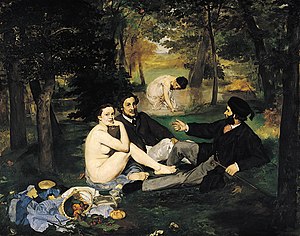
My next chosen person is someone who recreated the painting 'dejeuner sur l'herbe' the photograph is by Andy Earl.
For my last chosen picture, I picked someone who recreated the madona and child image. This photograph was taken by Dorothy Lange.
Task 4.
3 examples of where photography has influenced art.
The first painting I chose that was influenced by art was this painting by Henri de Toulouse-Lautrec
For my second painting I have chosen is also a painting by Francis Bacon, which was painted from a photograph of George Dyer.
The last painting is by someone called Gustave Courbet, this painting was done from a photograph by Adolphe Braun.
Task five.
Explanation of how my chosen photographs and paintings have been influenced.
Paintings >>> Photography
'Girl with the pearl earring'
Unlike some of the other pictures where only a slight bit of influence can be seen, this picture you can tell has exactly been replicated in the photographers picture. The photographer has got exactly the same plain black background for the backdrop for the photo, dressed her barbie doll up in the same way too, and placed her in the same position as the painting. The photographer has also put the lighting in the same position as it is seen in the painting.
'dejeuner sur l'herbe'
Here again, the photographer has copied exactly what the painting is. The positions of the people are the same, the clothes slightly and the lack of them were the same, and the setting. But even though the clothes look as been copyied, the photograph gives a more modern feel to the picture, the photographer could have made it look more like the art work with the choice of clothing, but here the people in the photograph have a slightly punk look, I think. The hairstyles in the photograph I think look punk ish. The photographer also chose to have a different colour scheme, the art work having quite a dull colour scheme compared to the photographs highly saturated colours.
'Madonna and child'
Unlike the other two images, this photograph has taken influence from the painting but not directly tried to copy it. The similar points of the photograph and the painting are the strong mother figure in the centre of the piece, either holding a child in one arm or both. Both of the mothers look strong, but I think that the mother in the Madonna painting looking down at her child makes it quite a soft painting but yet strong, but the Photograph shows the mother figure looking out at something out of the photograph. Also in the Madonna art work, the child in her arms is looking up at the mother, but in the photograph the children are facing away. This may have been intentional, but it also could have been that the photographer was just taking images of the people how they were, and didn't want the lady to move to fit the art work better.
Photography >>> Paintings.
''Jane Avril''
Here is an advertising poster made from the photograph of the can can dancer Jane Avril.
The painting of the photograph copies the pose of the woman, but also adds colour to the colourless photograph. The photograph didn't have anything else in the frame, except a blank background, but in the painting of this photo, other things were added for advertising purposes and the name of the Dancer and the place that she works at. The colour was added in the painting because they didn't have colour images yet, but it was probably also added to make the poster more eye catching. The placement of the woman in the image has also been change, where in the photograph the lady is half way down the image and fills the frame, how ever in the painting of the photograph she is moved to the top corner of the image.
''George Dyer''
The poses of the model are the same in this photograph and art, both looking to the right. The outline of the person even though distorted slightly is the same in both the photos with the hair line and the curve of the nose. The way the subject fits into the frame of the picture has been changed, from the photograph where the back of his head and shoulders can be seen in the photo, to the painting where the shoulders and back of his head has been cropped off, maybe to make you focus on his face more.
Even though the colours of the image have been distorted and changed and the texture of the face changed, you can still tell that the art piece is a product of the photograph. The facial expressions also haven't changed in the photograph to the painting. From the top of the painting to the bottom I think that the subject in the image becomes more distorted, at the top the hair and hair line seem pretty matched to the photograph but then going down the textures and the colouring of the face is changed with dramatic brush strokes and bold colours.
'Adolphe Braun Photograph'
Here the painting was nearly exactly the same as the photograph, except the painter added colour when reproducing the image. The differences in the painting are that the painter added slightly more detail into the background of the image, adding clouds and making the land behind the lake more clearer. Through painting the image more depth was given to the image with a wider range of shades of colours painted in. The painter didn't add the slight vignette that appeared in the photograph when reproducing the photograph, but this might have just been where the image was scanned into the computer.
Task Six (Done with task one)
Task seven
Write a critique on the artists you researched in task one.
Francis Bacon
From first impressions of francis bacons work, you'd see dark and grotesque warped images of people, but the art works themselves have alot of stories behind them.
Bacon usses mostly bold dark colours for the background of his art work, making the subject of his paintings stand out. At first he liked to paint with water colours but changed to oil paints, you can see this with the bold harsh colours in his paintings. I really like all of the textures that Francis paints into the skin tones of the people into his art piece, he uses lots of different non skin tone colours. All of his images give off a negative feeling, and I think look like they're coming from a pain full place. From his paintings you can see that Francis Bacon doesn't feel like he fits in with the rest of the world, and maybe has a warped view of it too. Bacon created his work for a lot of different reasons, some more obvious in his paintings than others, for example his painting of the pope, this was obviously to show his negative feeling towards him. The paintings that he did never showed anyone showing a happy emotion, they either showed people screaming or simply gazing, not showing any emotion at all. After reading up on the different pieces of art work, your views on the art definitely changes. Why he depicted people in certain ways becomes clear, and it takes away the grotesque first impression that you first get when you look at the paintings, they now have a meaning'
Chase Jarvis
When first looking at some of Chase's work, you see striking photographs that catch your eye, especially the photos of people in the air. His photographs look full of energy. His photographs are mostly quite highly contrasted, making the images look very bold. His work has lots of different themes from working with lots different company's but they all have the same look about them, that trade mark Chase Jarvis look. Jarvis managed to capture images of people in the air so clearly, without getting any motion blur into the image, it looks like he's used a short burst of flash to achieve such amazing clear photographs. The colours of his photographs, although quite edited, all look really good also and fit in with the photograph well. I don't think there are any parts of his photographs where I could say where I would change, he has really created some amazing images. When reading up online about him on his website, he speaks about his enthusiasm for photography, this reflects so much in all of his images I think, because I think they all look so exciting and so full of energy, like Chase says he is.
Frank Warren
It is hard to write a critique about Frank Warren because he just created the means in which others could create art for themselves, so not looking at the art created, but looking at the project instead and how he pulled that off. Frank warren first made the idea of this very exciting, the idea that you could confess something that you'd been hiding for years inside you and just let it out with creativity without the chance of anyone seeing. When first reading about the idea of this art project I think you're dying to read about some of the secrets, from reading through them you can see where people feel relieved from telling there something to someone, or where they've had fun expressing themselves on the post card. Post secret was a very successful art project and made people feel happier with themselves having told someone their secret and was given an award for helping the prevention of suicide. Frank Warren wanted to give people the chance to express themselves freely without the idea of people judging you, and the option to get something off your chest that might have been killing you for years, or just tell a silly secret and share a joke. Frank after receiving the art works but them on his website and into various books. The only criticism to it that I have is that when an app was relised where people could show their own post secrets easily, it was not monitored, meaning malicious and not very nice ones were uploaded to it, thus the app had to be taken off from the app store. Also the website in which they are uploaded should be monitored more too as loads of 'secrets' are being put up too, that aren't even secrets and they take up the place where other actual meaning full ones could be put in place.
Task eight.
Deconstruction of one artwork from each of my chosen artists.
Francis Bacon
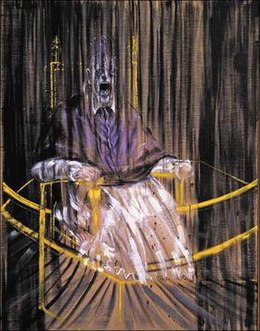
This is Francis Bacons interpretation of the painting of the pope. This painting depicts the pope sat on a chair looking like he's screaming, there are sharp, what looks like scrapes I think, down the painting. This to me looks like it could represent bars which are holding the pope in like prison or like someone been scratching at something like they were trying to escape. The pope in this painting is in exactly the same position as he is in in the proper painting of him, the chair at the proper angle and his hands in the same position. The painting I think looks quite harsh and looks like the pope is screaming out in pain or for something. The pope in the image takes up most of the picture leaving the background empty, maybe to get you thinking about what is there. The yellow/gold coloured seat to me represents royalty but because of the lines of it that go across the picture I think it looks like he's trapped. I also think it looks like an electric chair because of how his arms are in the chair. The style of this painting is very dark and grotesque and definitely paints a negative view on what Francis bacon thought of the pope at the time he painted this. Purple normally represents royalty but in this his clothes look tatty and the splodges of paint on him I think look like blood. Francis didn't use a wide selection of colours Ii this painting, mostly black, white, yellow and purple, I think with any more colours in this painting it would look less striking.
Chase Jarvis.

I picked this image of Chase's to reconstruct because I think it's so different. A typical studio picture done by a photographer would have been made to make the person look as perfect as possible and have tried to hide any differences they had, like this guys hand. But what I like about this photo is that it doesn't do any of that, it high lights the guys differences, because why shouldn't we? Everyday we get plastered with perfect images of non realistic models, when in fact we should be celebrating each others differences. I like how the model isn't in the middle of the photograph and how the background is completely white making the only focus in the picture the model with no props. I love how his fingers frame his eyes looking through. The facial expression of the guy, to me, makes him look like a lovely fun person, he doesn't seem to be bothered at all about his hand. This photograph was from a collection of photographs called 'seatle 100' which I know are all in black and white, but I think the black and white really does work for this photograph, it wouldn't be as nearly as striking in colour. When first looking at this photograph you just see a guy looking through his hands, but when looking more closely at the photograph the personality of the guy really stands out. I love how in the photograph the lighting and the contrast make all the guys wrinkles stand out and show, this I think looks so much better than someone airbrushing him loads. The hand and the guy behind his hand gives the photograph different levels instead of just a flat portrait, the eyes stand out for me at first. His expression I think could be an excited one, one of pain, surprise, shocked, anger, scared. I think, it all depends on what you want to see in the photograph, whether you want to see him as a scary person or a funny exciting personality or what ever. The fact that he's wearing a shirt could mean something in the photo like he's come from a working environment or in some high up job, or it could just mean that every day he likes to dress smart. Also the position the hand is in, could he be just doing that to see through or because it's meant to look like he's reaching out.
Frank Warren
I could not de-construct a specific art work from my chosen artists work because he didn't create the artwork, he just gave people the means to create their own art work. So instead I have decided to de-construct the brief he gave people for this art project. (Sorry if this doesn't actually work out)
"You are invited to anonymously contribute a secret to a group art project. Your secret can be a regret, fear, betrayal, desire, confession, or childhood humiliation. Reveal anything -- as long as it is true and you have never shared it with anyone before. Be brief. Be legible. Be creative."
I think when you first read this, it sounds so exciting, you wish you could have been one of the first few hundred to have found one of these in your home town or been given one. I think the fact that he starts the proposal with the word 'you' you're immediately brought into the situation and like he's speaking to you. I love how he gives you total creative freedom to express your secret on the post card. (that wasn't a very good deconstruction of that but still aha)
Task Eight
The development of photography effected art quite alot. The camera meant that people could now quickly capture an image infront of them without spending hours painting a picture of it. People now didn't want a painting of themselves being done, they wanted a photograph taken instead. Since people could easily have a copy of what is in-front of them, artists had to create something that a photographer couldn't create easily, abstract art, where photographers were good at capturing what was infront of them, like past artists, artists now created elaborate abstract paintings and images, something that cameras couldn't do. Since an artists job no more was to copy the things infront of them, this gave them freedom to paint abstract images of things that you'd never see in real life or capture with a camera, maybe without the introduction of the camera this would have never happened. From this abstract art appeared. For example artists like Salvador Dali who painted such mad pictures that would have never been recreated with a camera. After looking through a whole timeline of art history you can really tell that the invention of photography really set off a creative part in artists, because now they needed to compete with something that could do their job with the click of a button. Since the classical painted image of a person was not wanted anymore as a painting, more as a photograph, painters started capturing their models personalities in mad paintings of them, for example this one, which could have never been expressed with a photograph.

The development of photography sparked off a number of different abstract art periods such as pop art and surrealism. Artists took the fact that cameras could only record in their stride and added mad made up backgrounds to the painting and extra objects all to make up for the persons personality.
Photography does mimic art, for example, when painting a portrait of someone they were paid to make that person look good, so they'd leave out any blemishes on the skin or any parts of the person or their surroundings that wouldn't make the art effective. This is the same in photography, when taking a picture we don't like, we simply open the image up into Photoshop and get rid of the parts we don't like with a few clicks. Art inspired photographers to recreate famous images, but the influence also worked the same way with a number of artists who now painted from photographs or took influence from them. Photography also meant that if there was a piece of art that was getting destroyed by time, that it could be photographed and kept forever. Photography also meant that many pictures could be taken of a painting and it could be distributed without having to make millions of painted copies of the art work. Since the arrival of Photoshop I think it's more difficult for artists now, because since they started trying to create images that a camera could not, now the images could be opened up into photoshop and manipulated to have the same effect.
Task ten
Each with 22 pictures in.
Task Eleven
Video.. (I added a sound track to the video, but for some reason it wouldn't save with it on)
it was stairway to heaven :)


















.jpg/200px-Warren,_Frank_(2008).jpg)